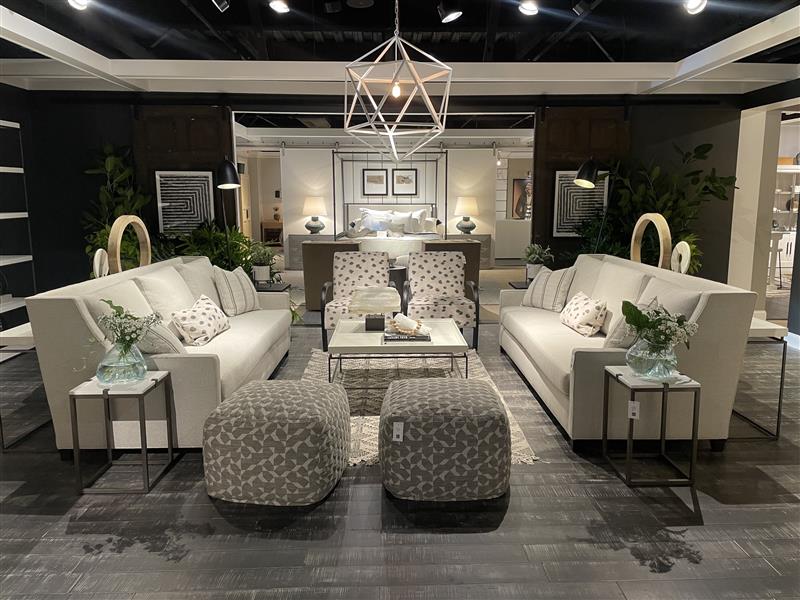

High Point Furniture Market has just wrapped, and many companies are offering a fresh new perspective on home design. Here are a few things our team was loving at market:
Wrapped Leather & Hide


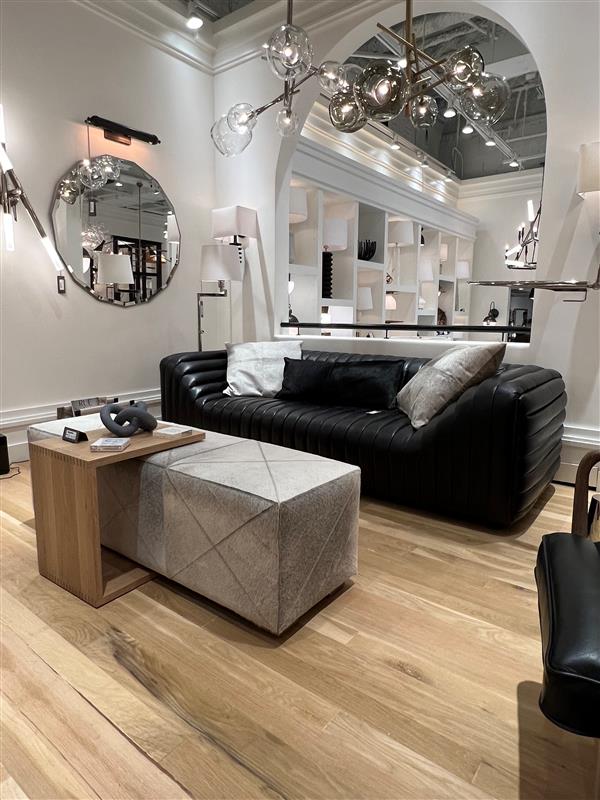
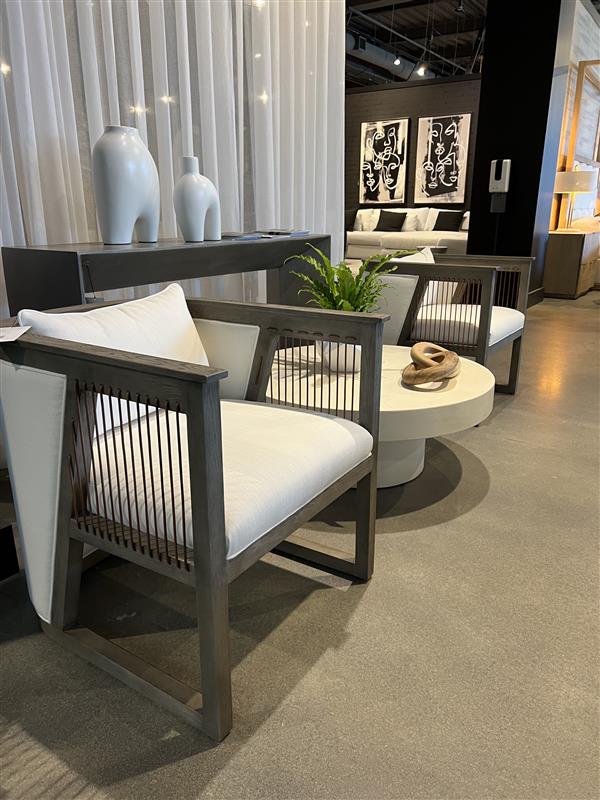
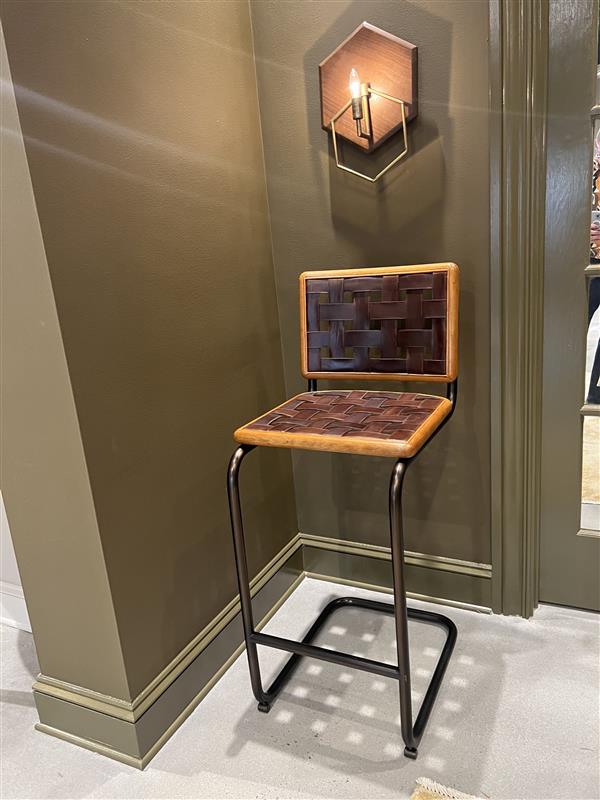
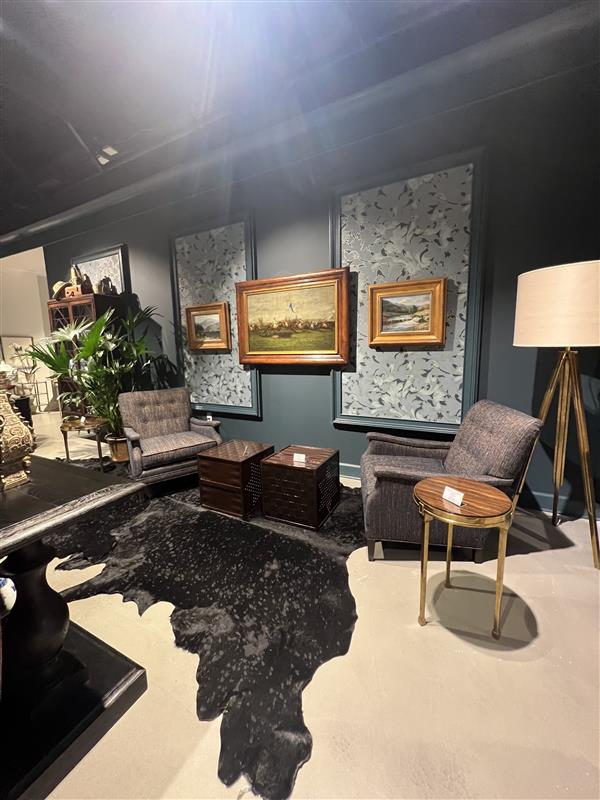
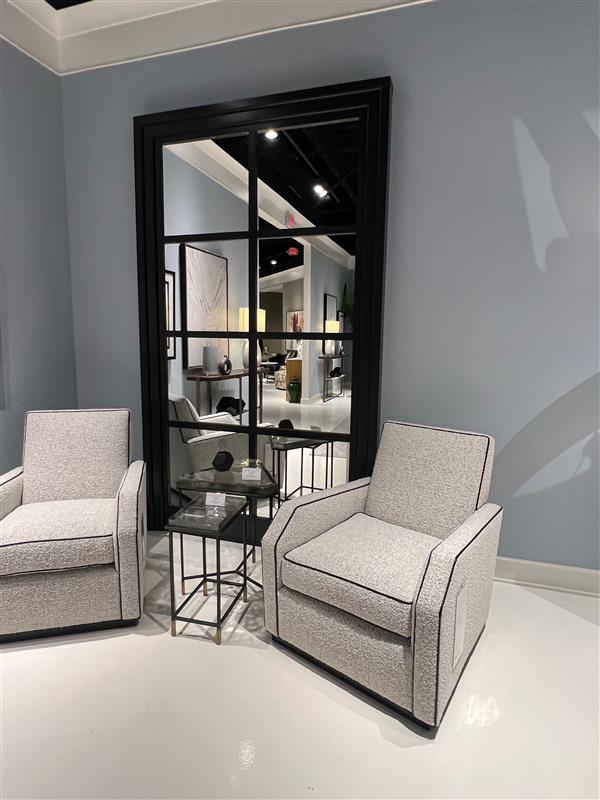
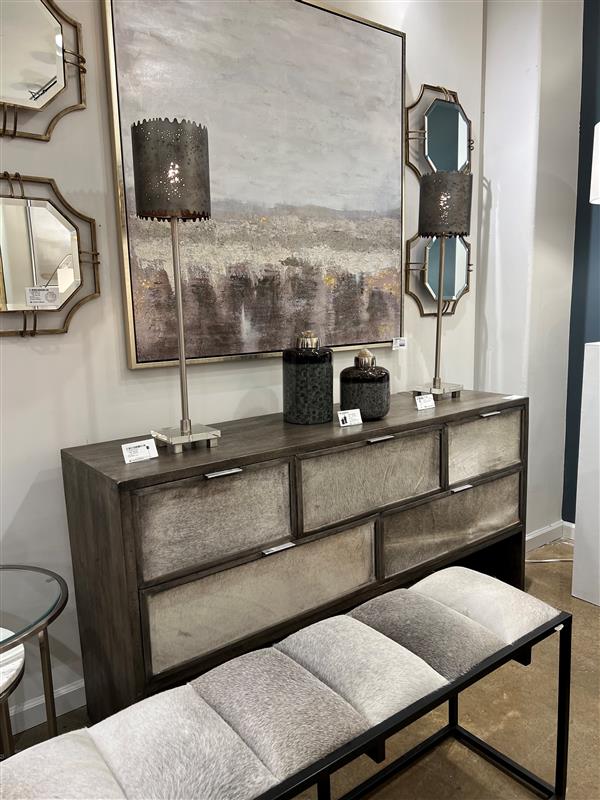
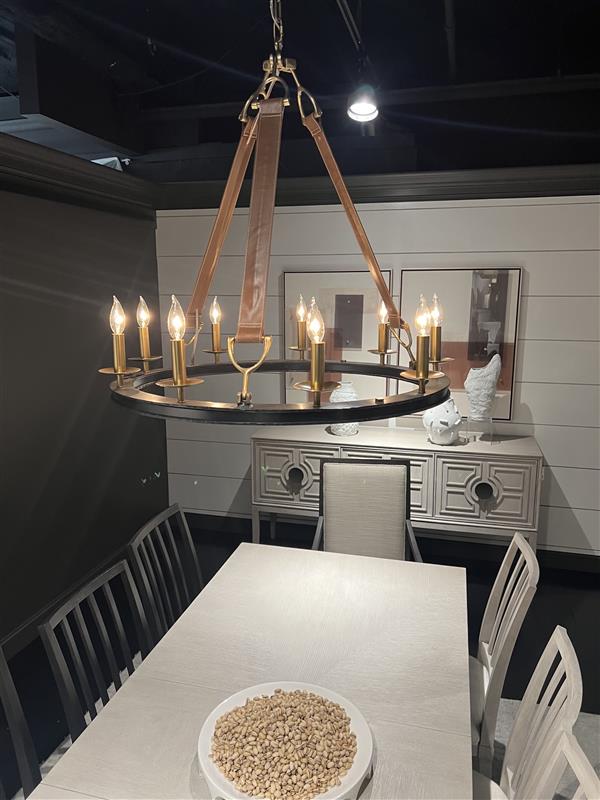
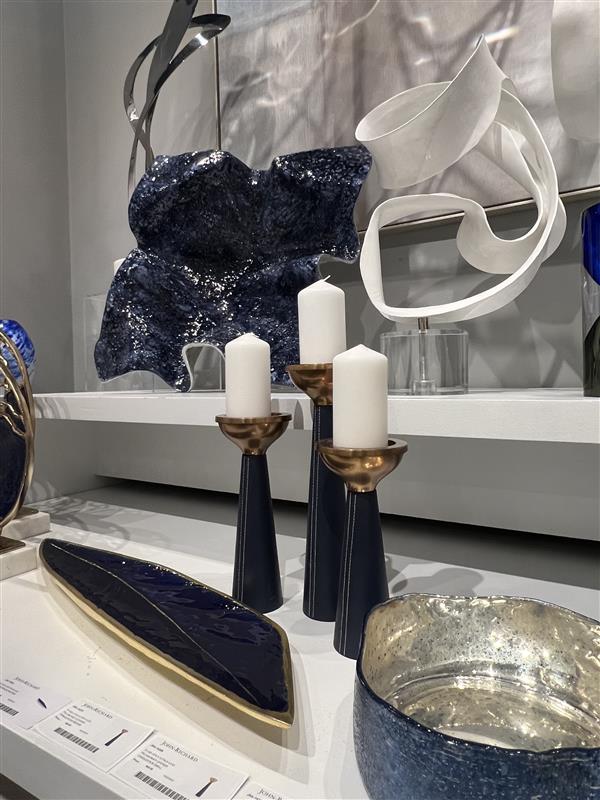
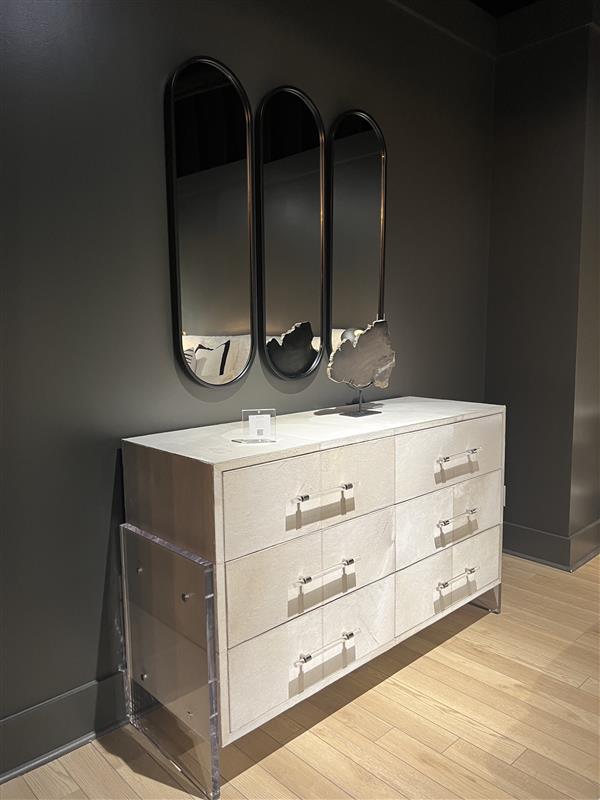
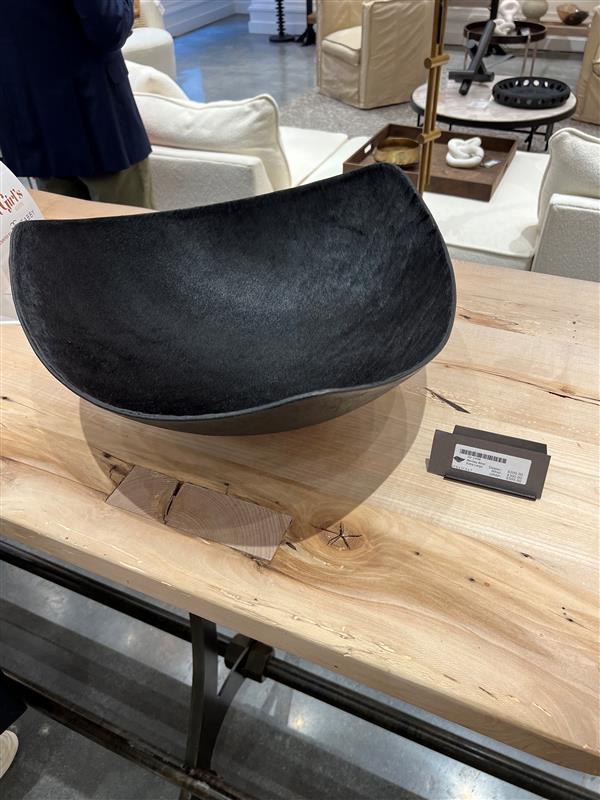

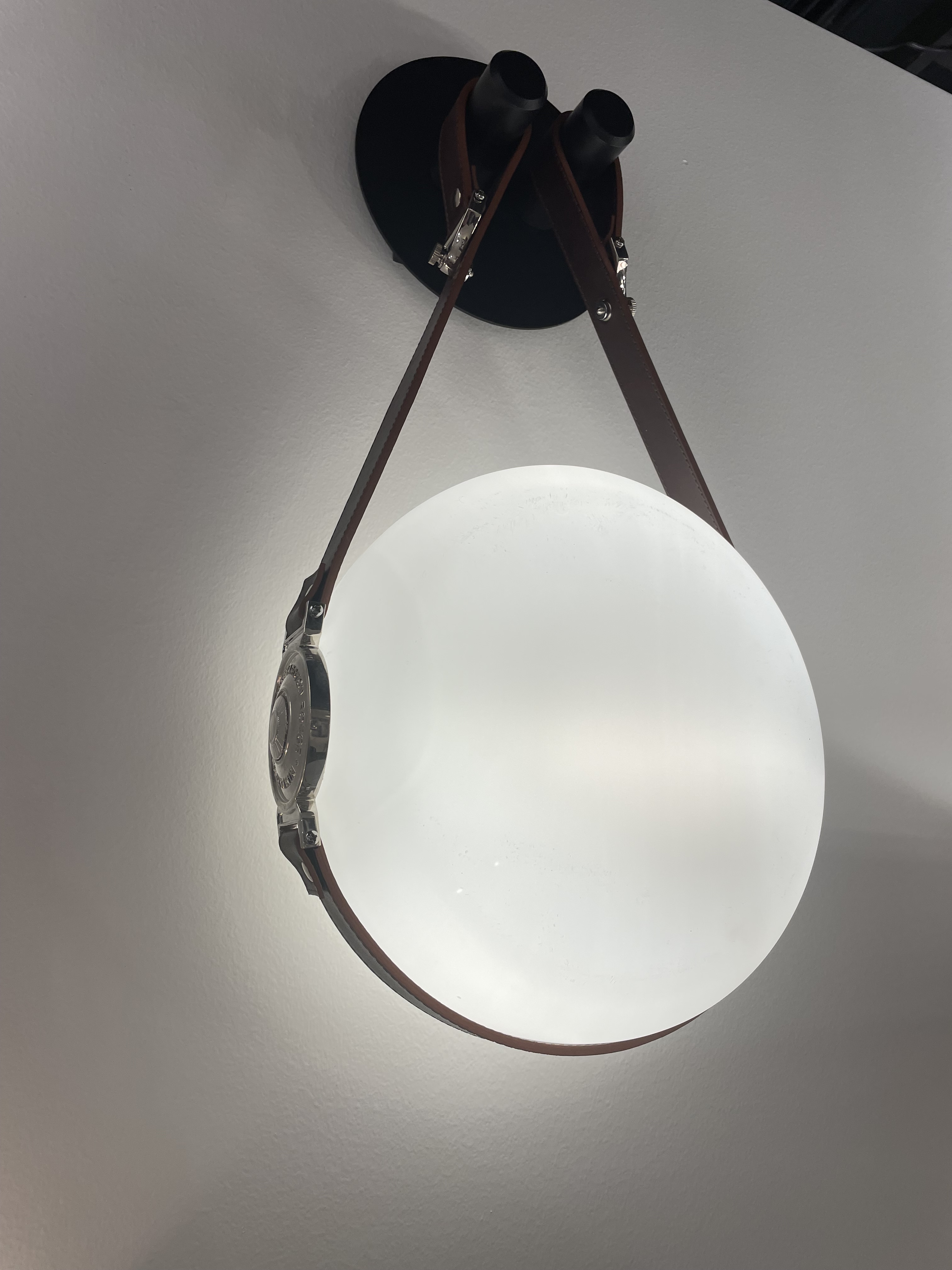
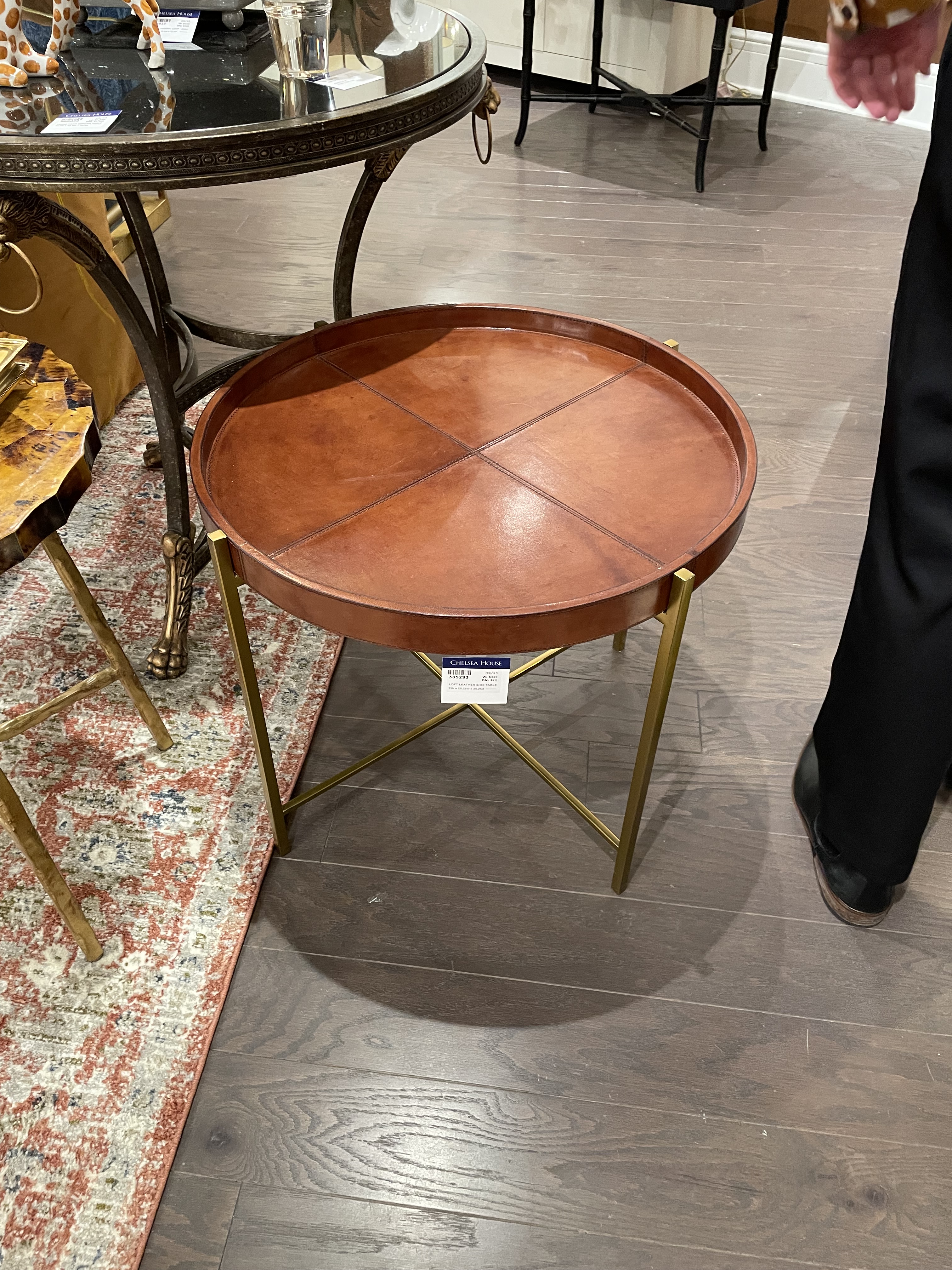

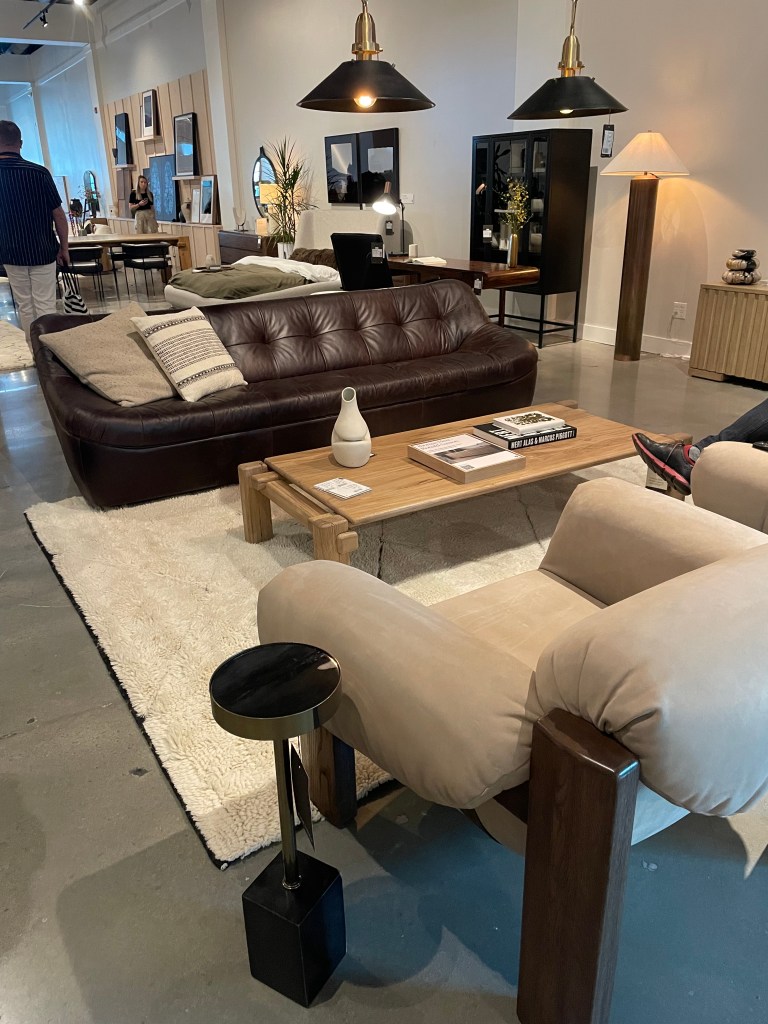
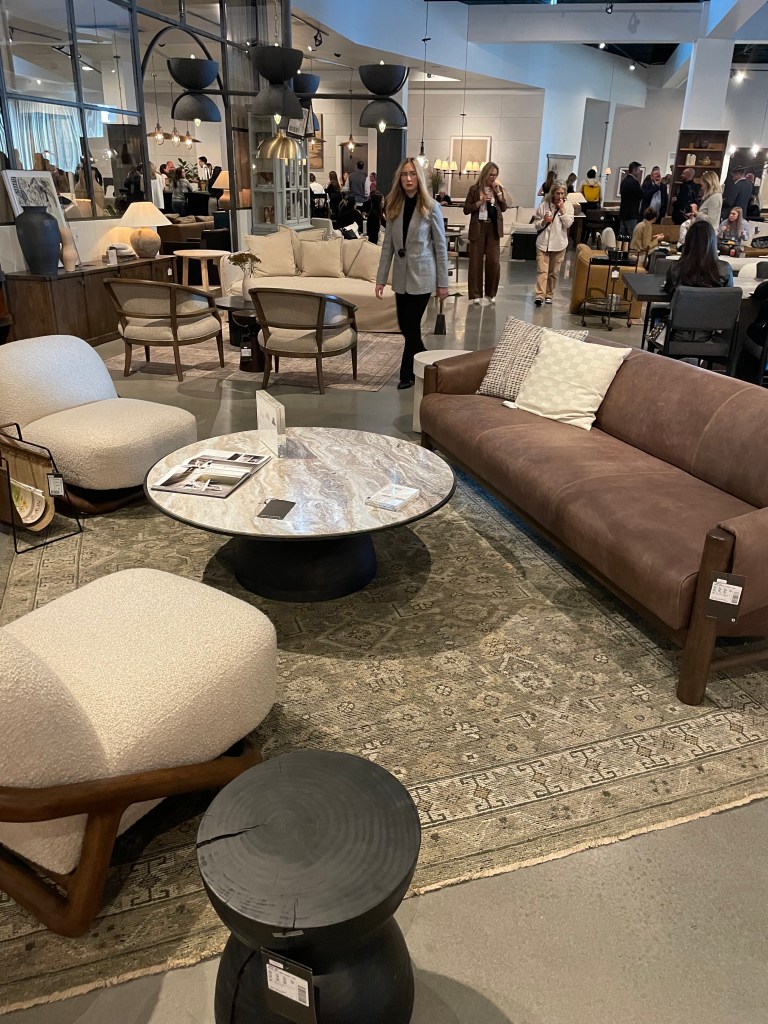
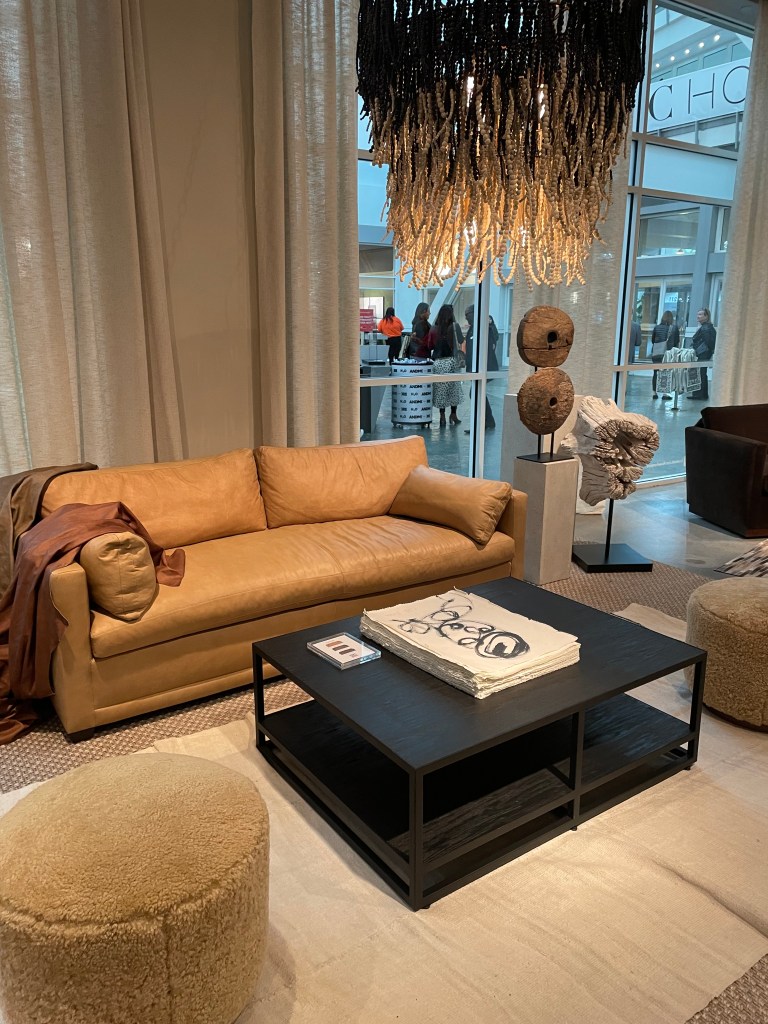
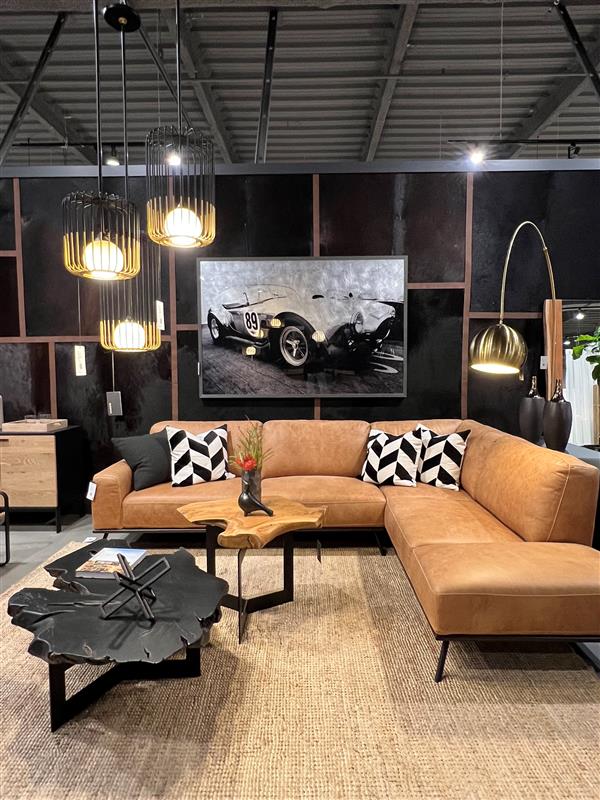
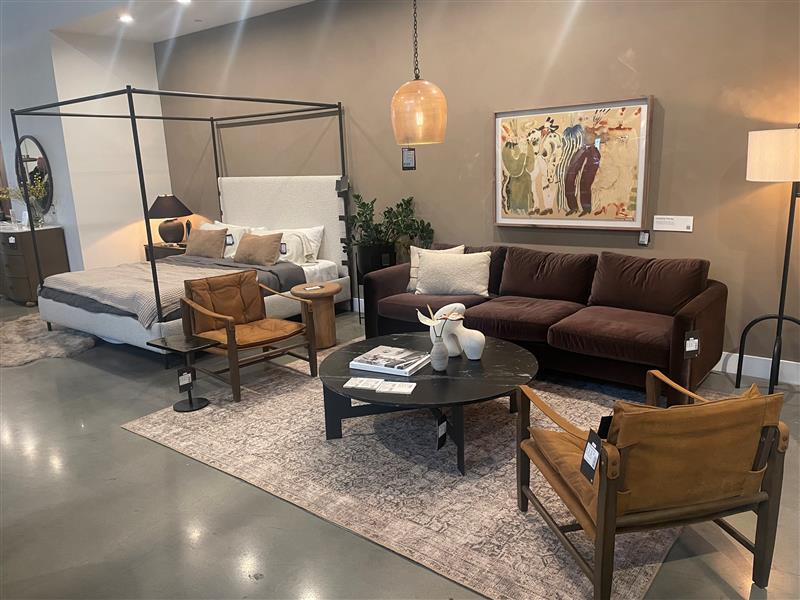
This market, furniture vendors showcased an interesting detail when it came to new ways of using leather and hide in their products. The team saw many furniture and accent pieces that were wrapped in these materials. The items were a sight to see as brands are starting to dive more into natural earthy materials and use them in new ways.
The craftmanship is exquisite on the pieces which featured double stitched wrapped leather arms, leather welting, hide panels, and fully upholstered hide furniture. With its rich texture and deep color, the leather is exuding a luxurious feeling while the hides are bringing in a touch of uniqueness and natural beauty to the overall designs. A new wave of thinking outside the box is emerging, which is making a statement of elegance and timeless style on everyday accents and furniture. We believe this is just the beginning.
Color Coordination
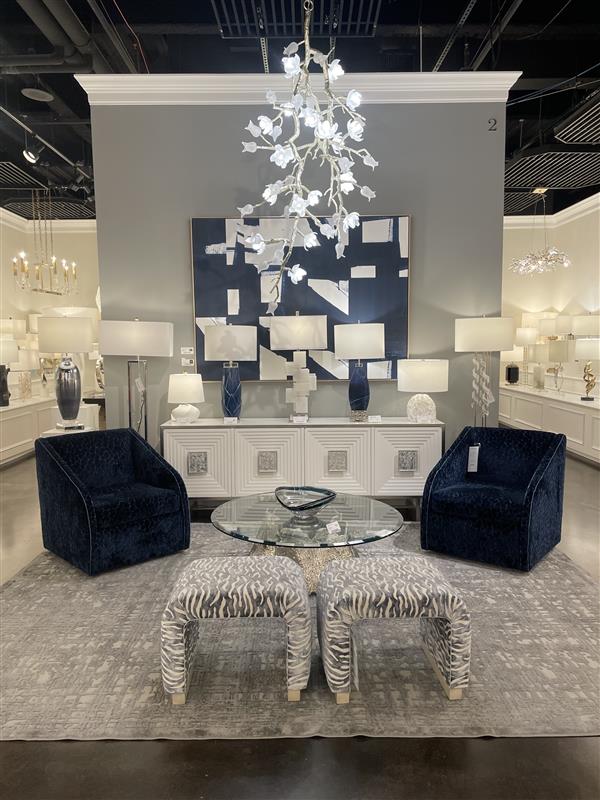
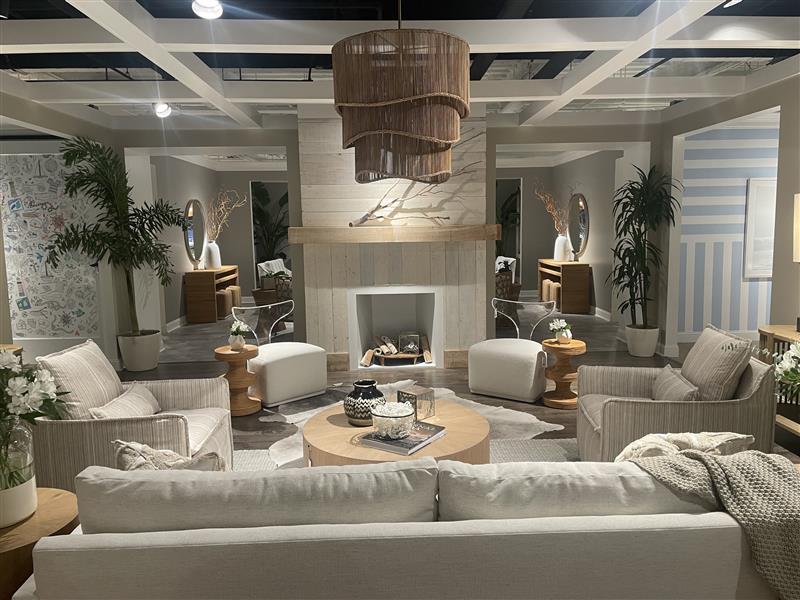
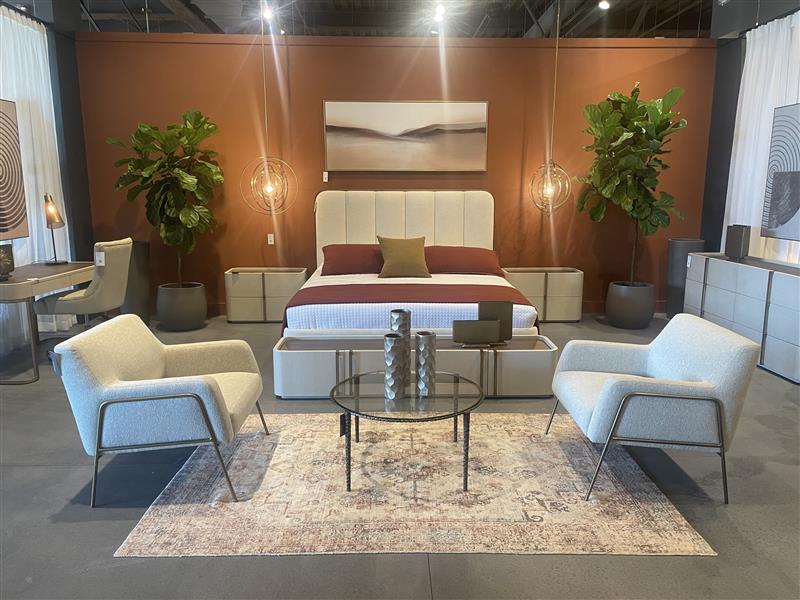
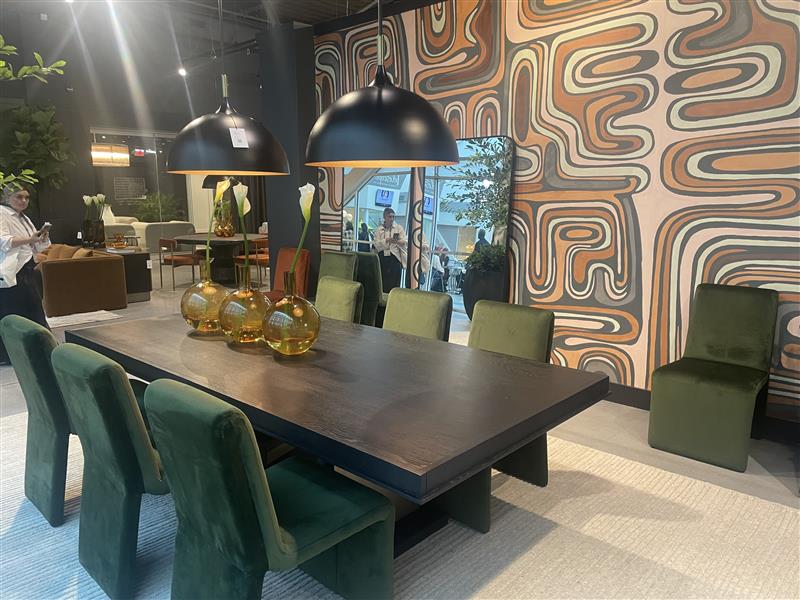
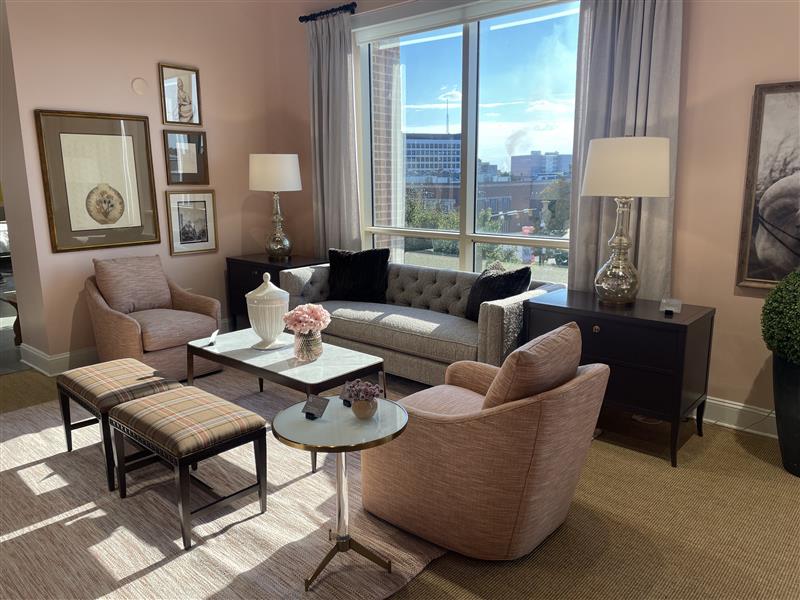
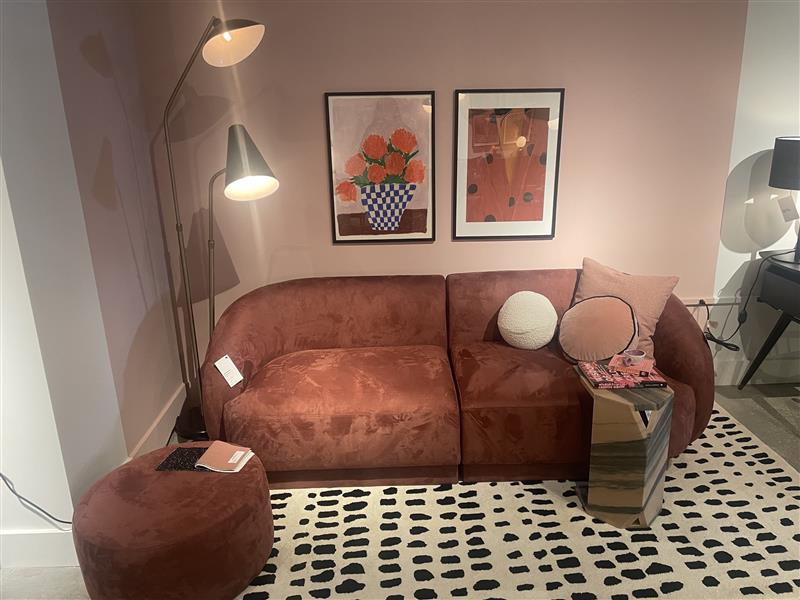

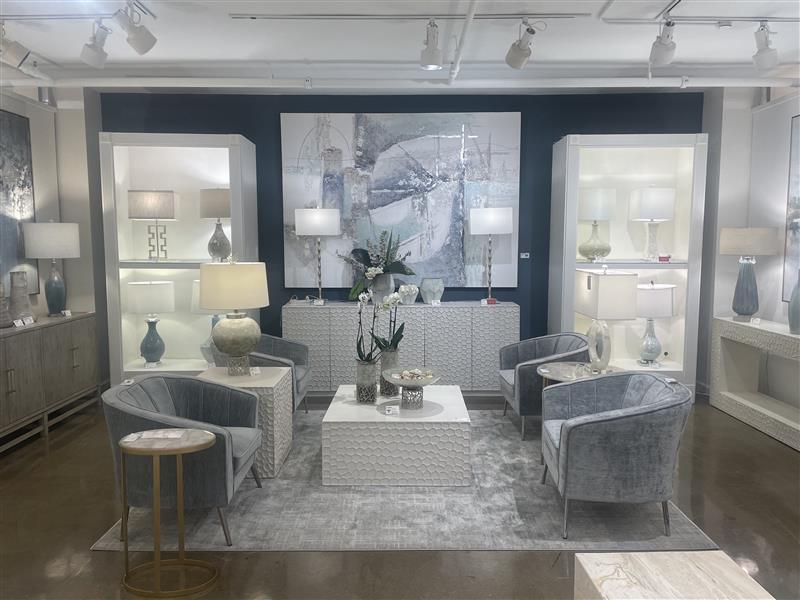
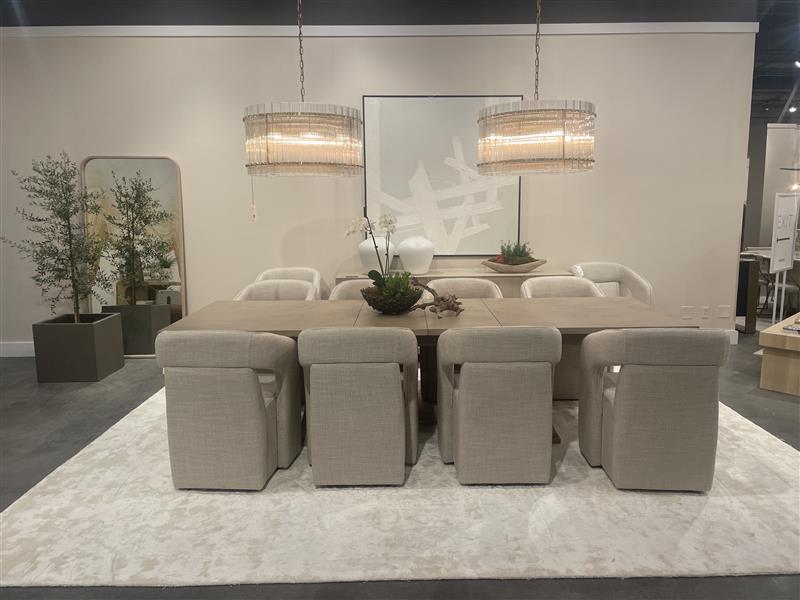
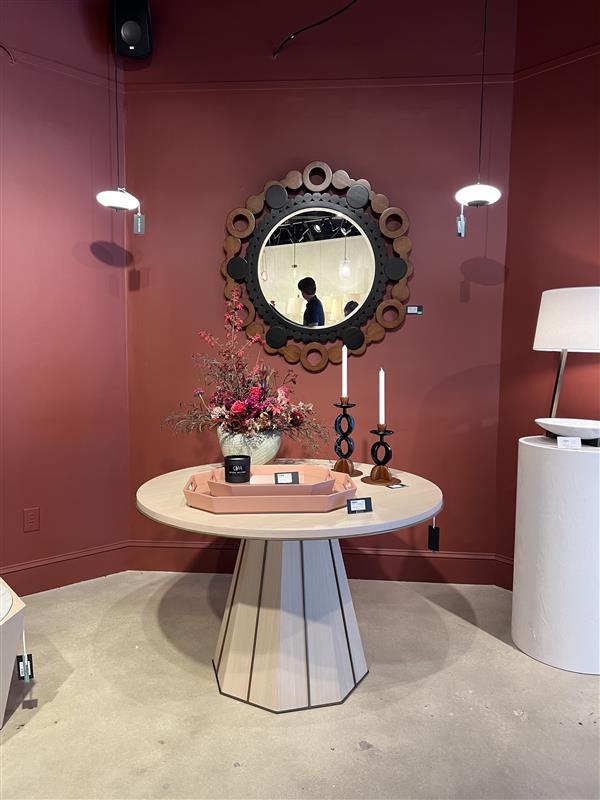
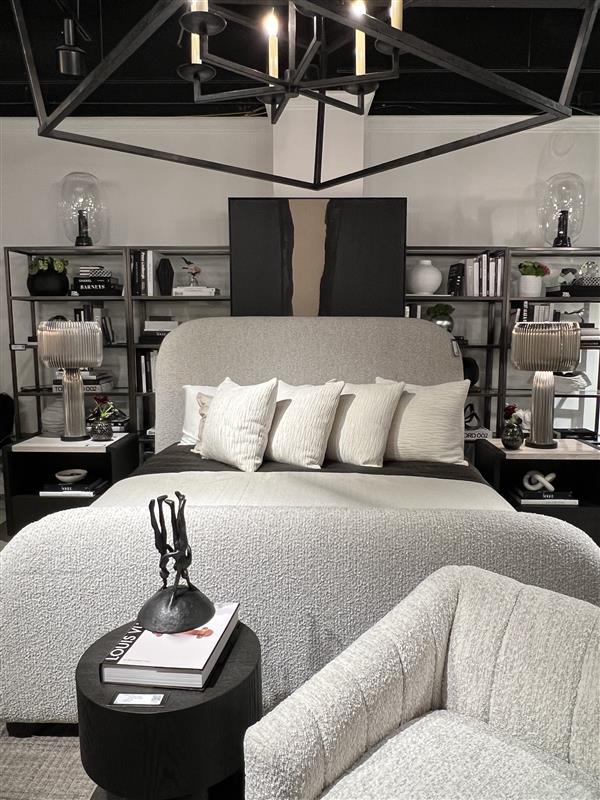
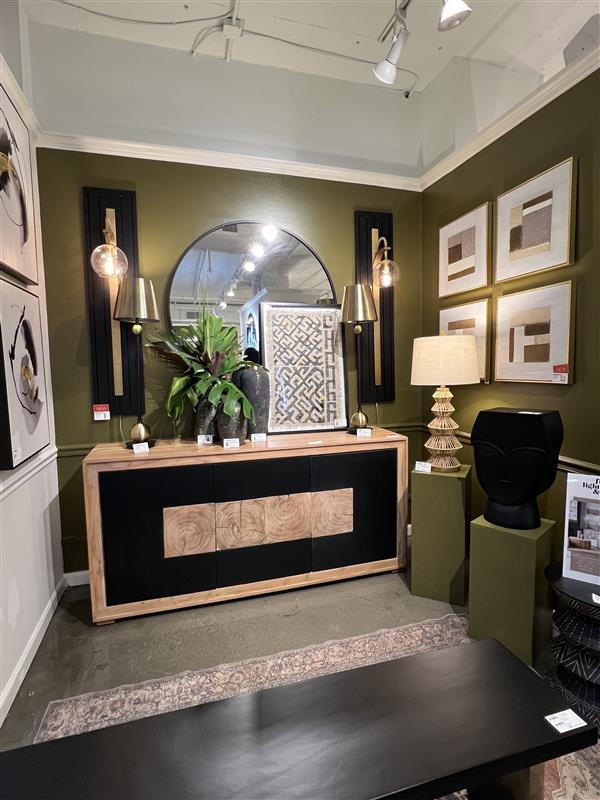
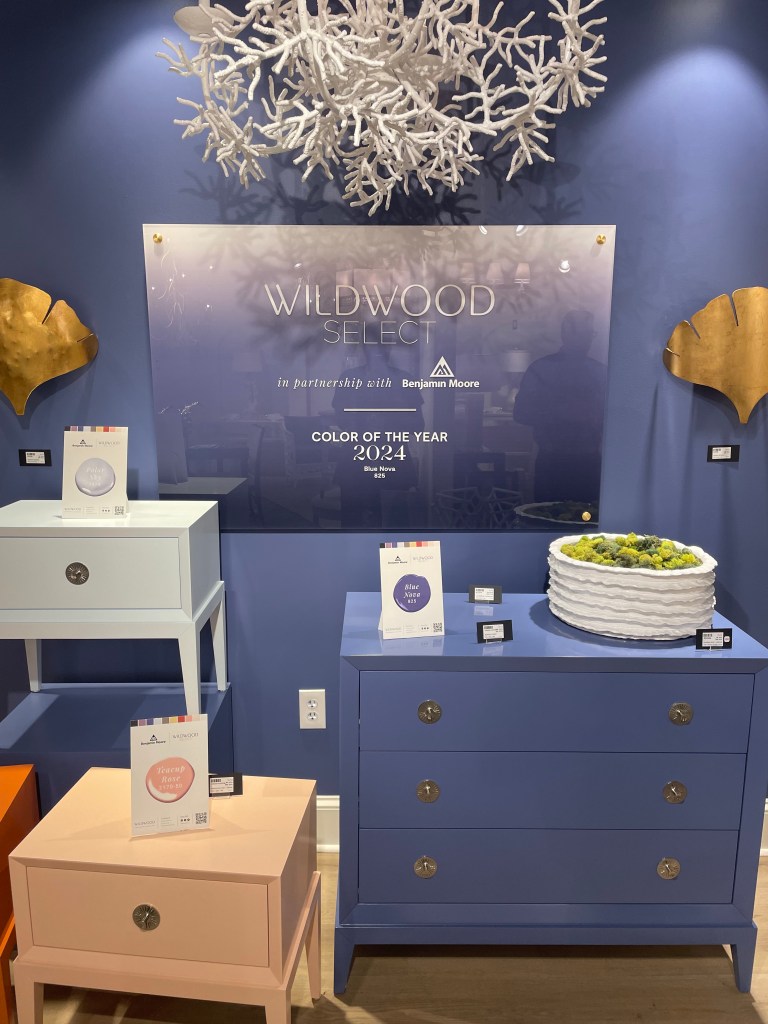
Color Blocking in Showrooms: The Art of Crafting Visual Stories
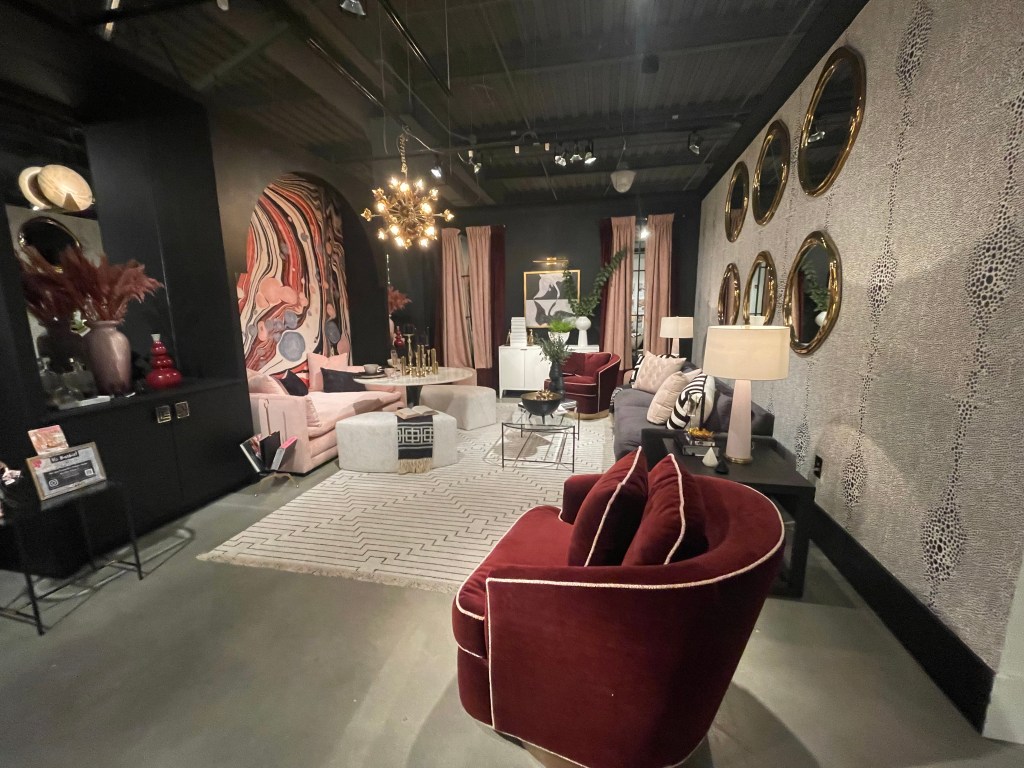
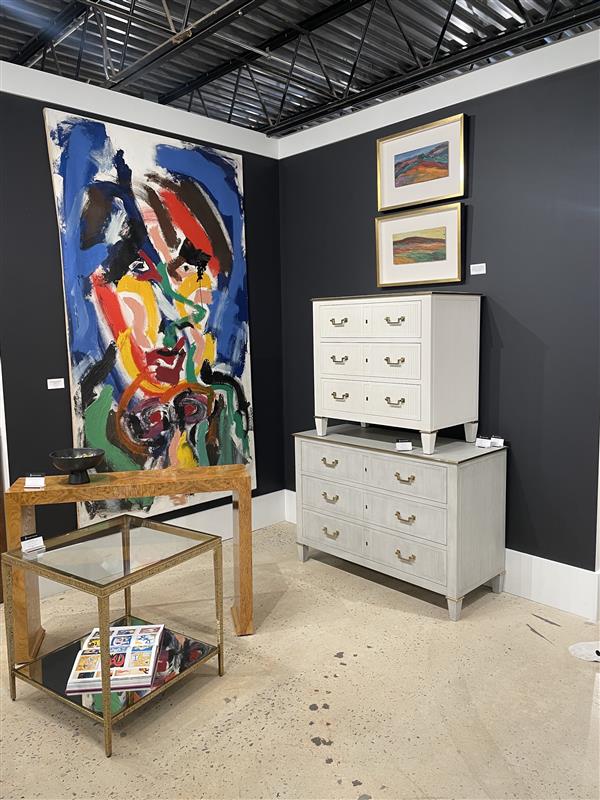
Showrooms have embraced a powerful visual technique: color blocking. By using bold, contrasting colors in distinct segments or areas, designers can create striking visual impact and define spaces with greater clarity and intention. Let’s dive into how this trend influences spaces and why it’s gaining popularity.
1. Bold Statements & Personality
Just as in fashion, color blocking in interior design allows for the creation of bold, memorable statements. The use of contrasting hues immediately draws the eye, guiding visitors’ attention to specific products or sections of the showroom.
2. Definition of Spaces Without Walls
In open-concept showrooms, differentiating between spaces can be challenging. Color blocking serves as an ingenious solution, using color to delineate different areas without the need for physical partitions creates clear visual boundaries and aids navigation.
3. Emotional Resonance
Colors evoke emotions. By employing specific color combinations, showrooms can influence the mood and feelings of their visitors. A palette of soft pinks and neutrals can evoke feelings of calm and relaxation. In contrast, dynamic reds or yellows can infuse energy into a space.
4. Highlighting and Accentuation
Color blocking can also serve a strategic purpose. By using contrasting colors, showrooms can highlight specific pieces of furniture or decor, drawing attention to new releases or bestsellers.
5. Encouraging Creative Exploration
For potential buyers or clients, a showroom’s use of color blocking can spark imagination. It presents a visualization of how different hues can coexist harmoniously, inspiring visitors to experiment with color in their homes.
Conclusion
The trend of color blocking in showrooms isn’t just about aesthetics; it’s a strategic move that merges design with psychology. By carefully selecting and combining hues, designers craft spaces that not only showcase products but also tell compelling visual stories. In an era where experiential shopping is valued, color blocking elevates showrooms from mere display areas to immersive design experiences.
Artful Furniture
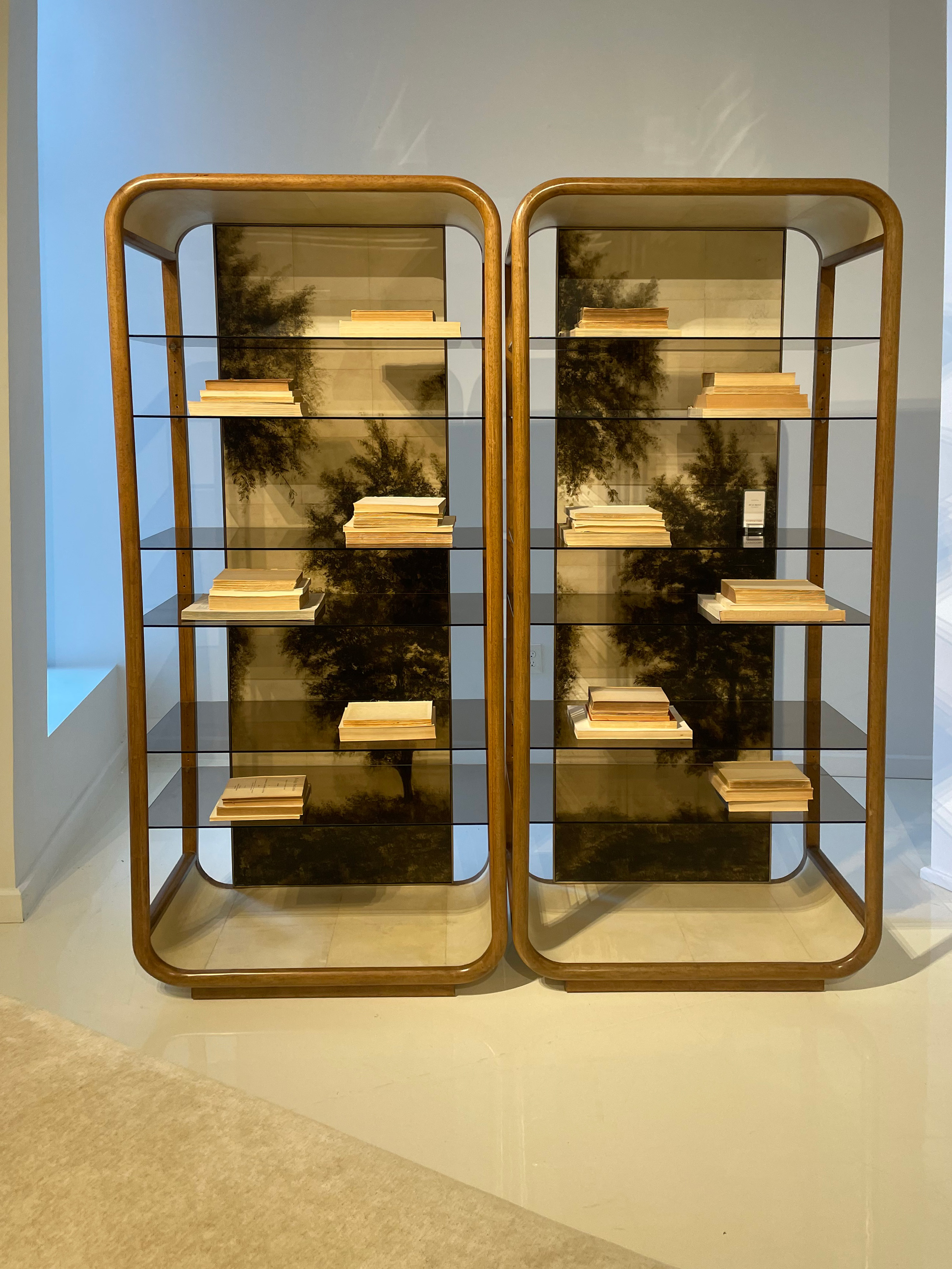


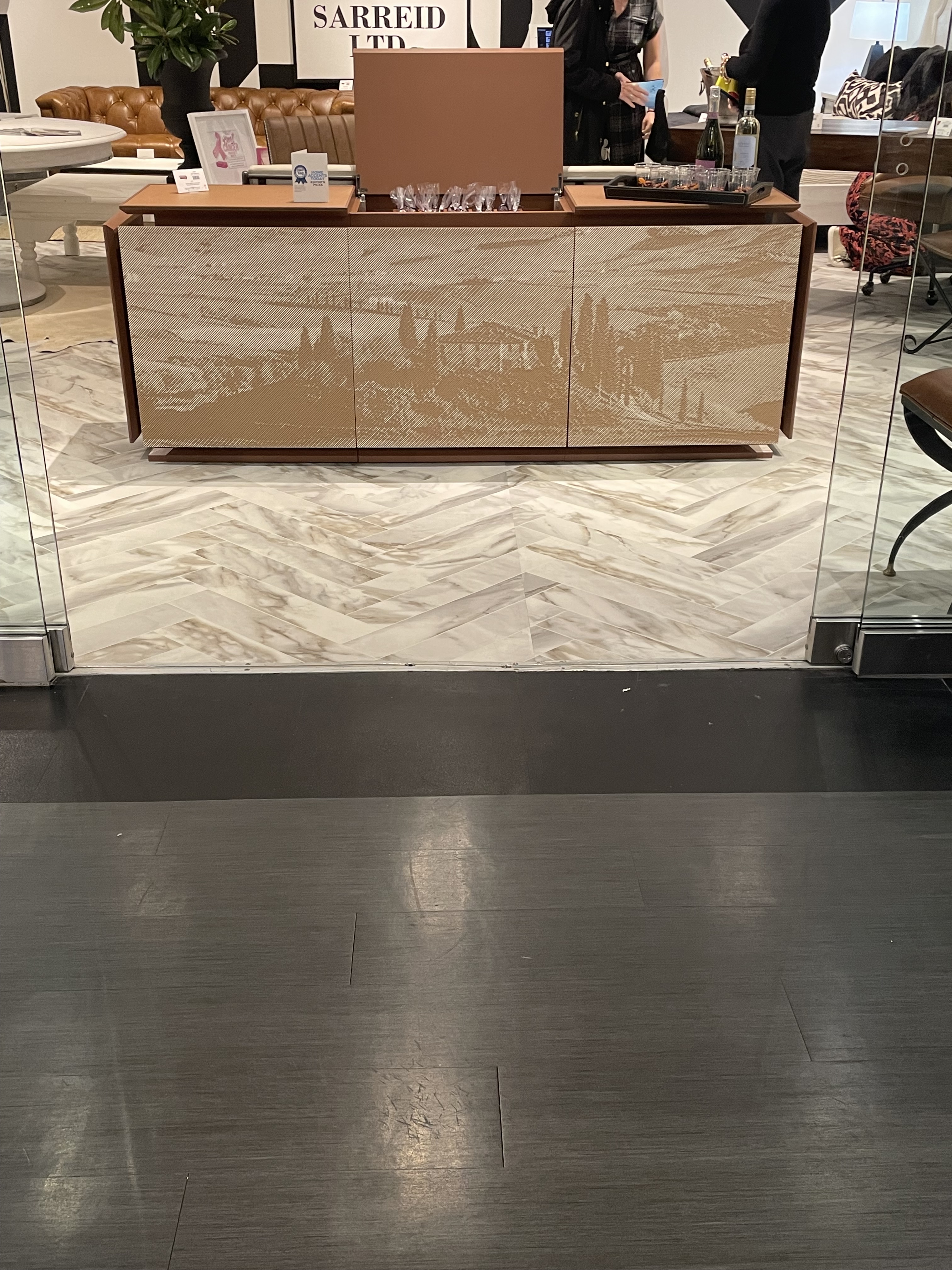
In design school, you learn many things: the elements of design, color theory, but most importantly, how to balance a room. Traditionally, this was done with a great piece of art, but with new developments in technology come new furniture treatments. Spotted at market, furniture companies are taking a stab at fresh ways to show this age-old tradition of displaying art in your space. Why have art on the walls when you can have them digitally printed to the back of your bookcase? Gallery walls are so passe.
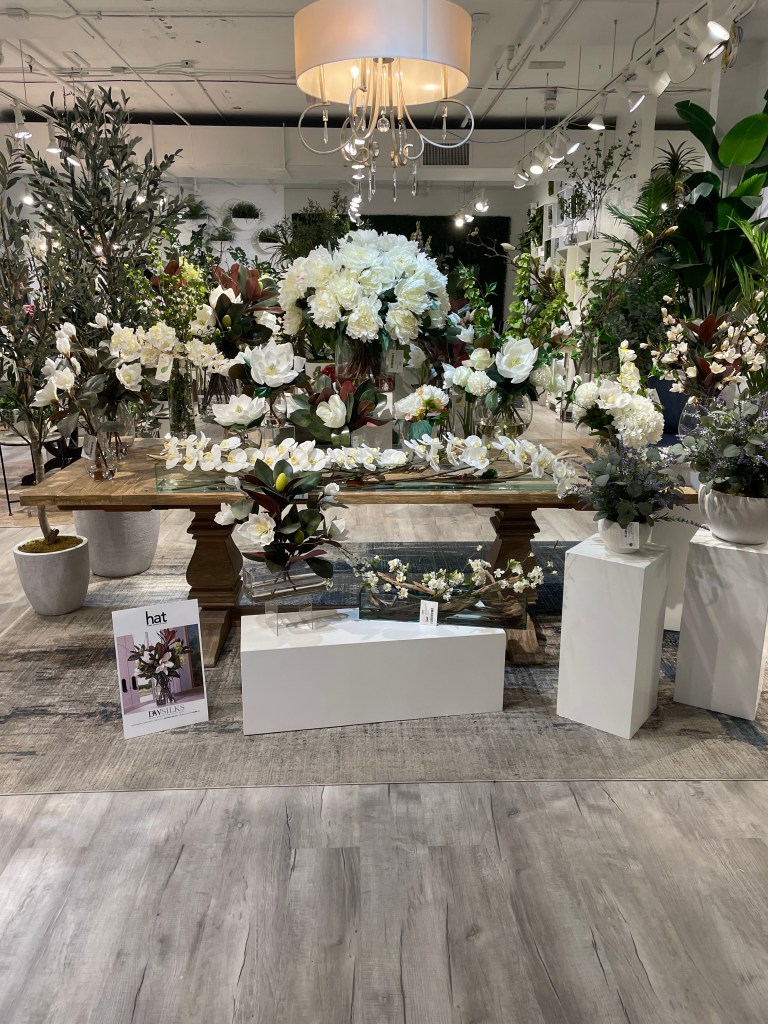
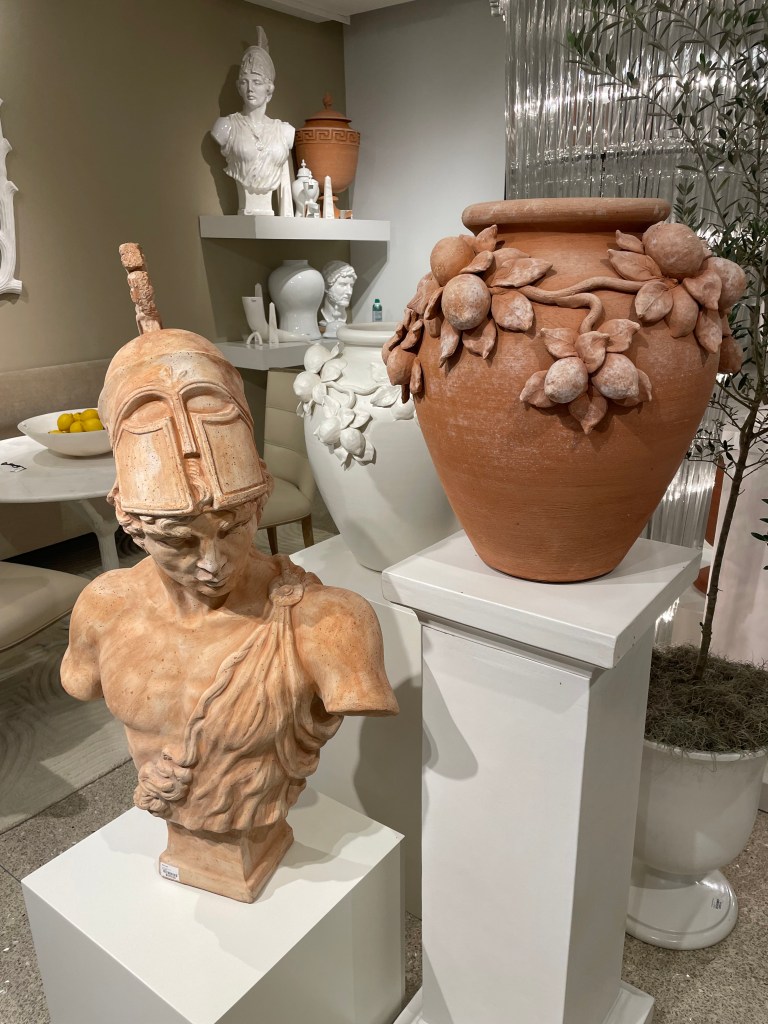
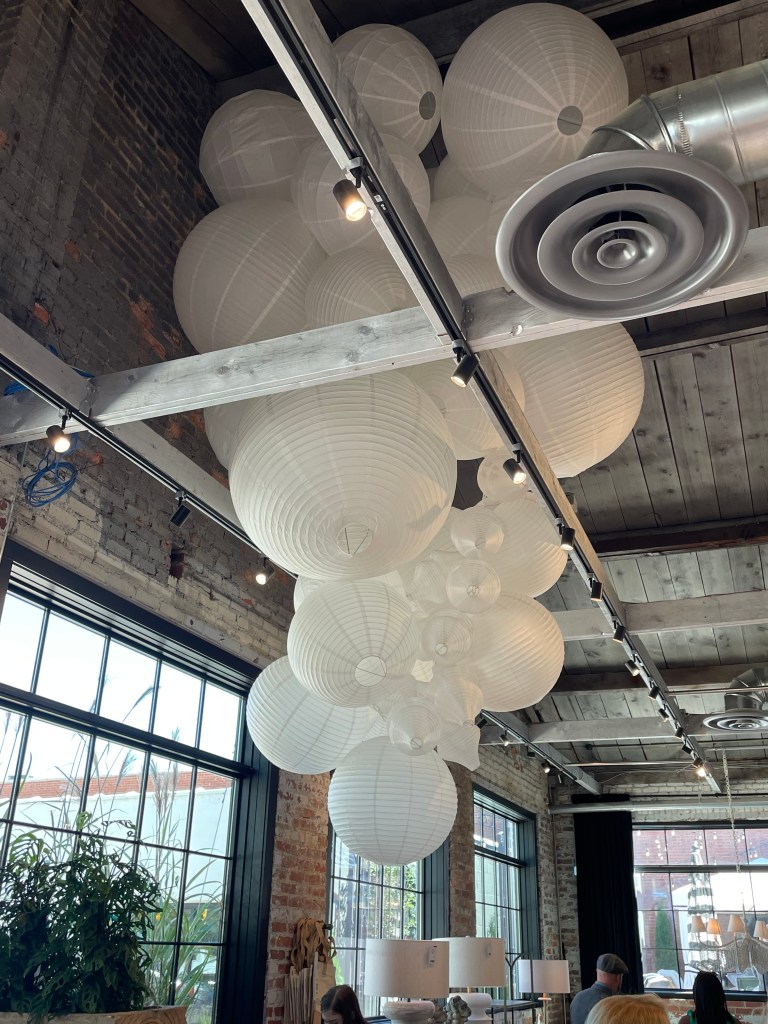
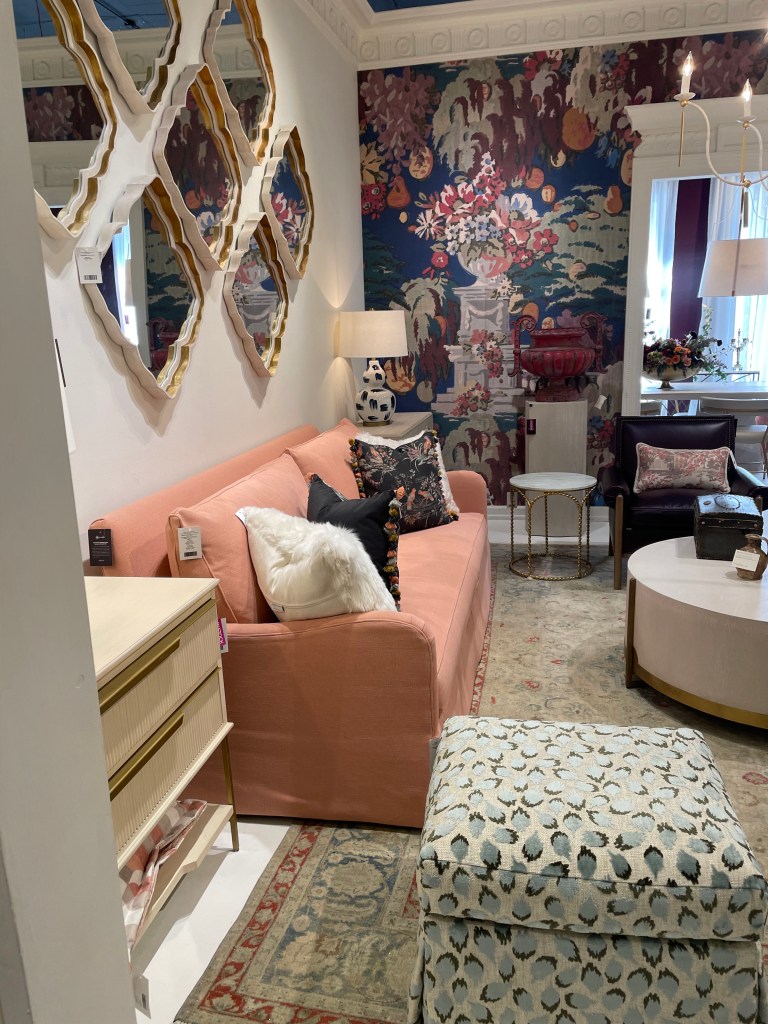
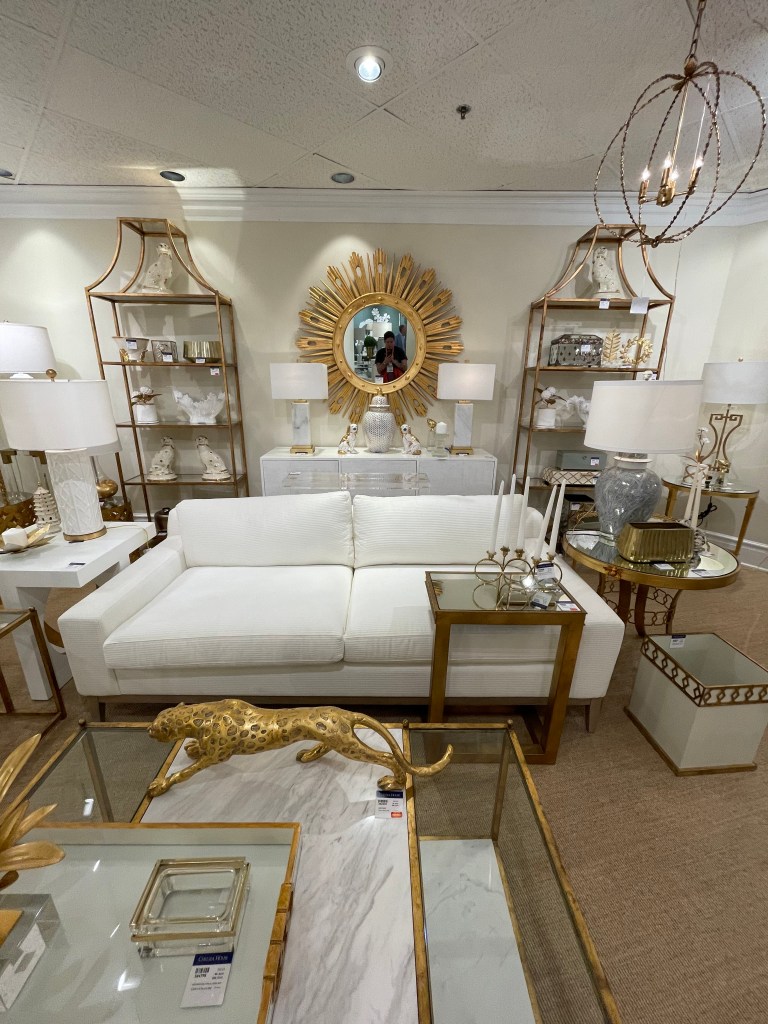
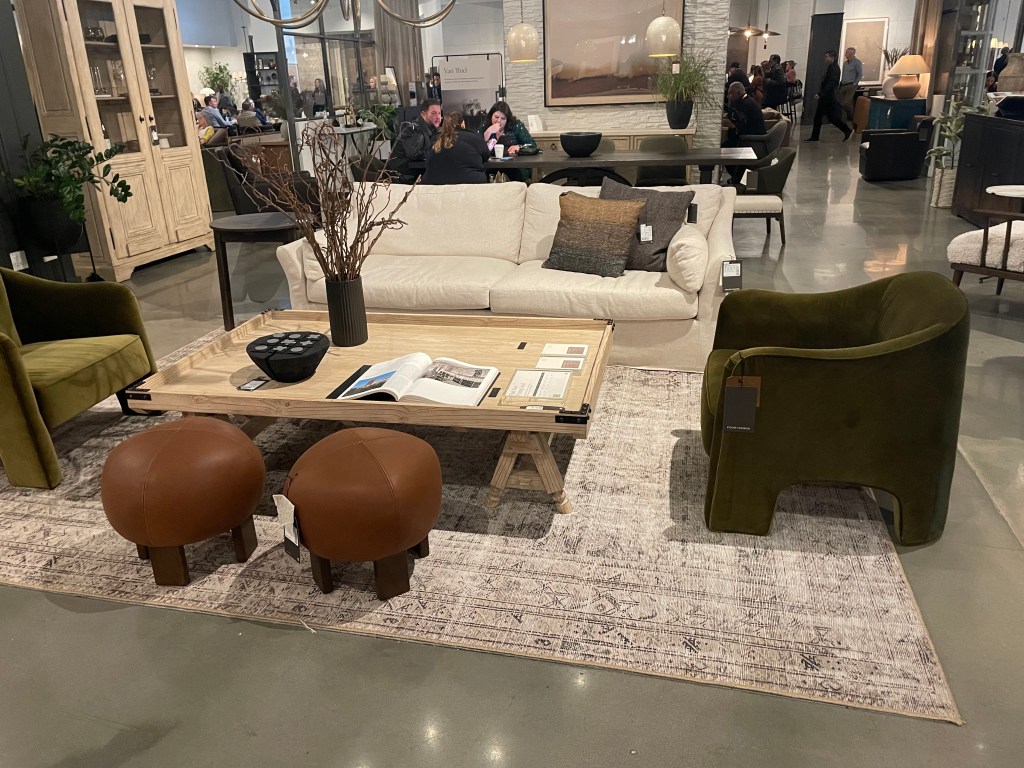
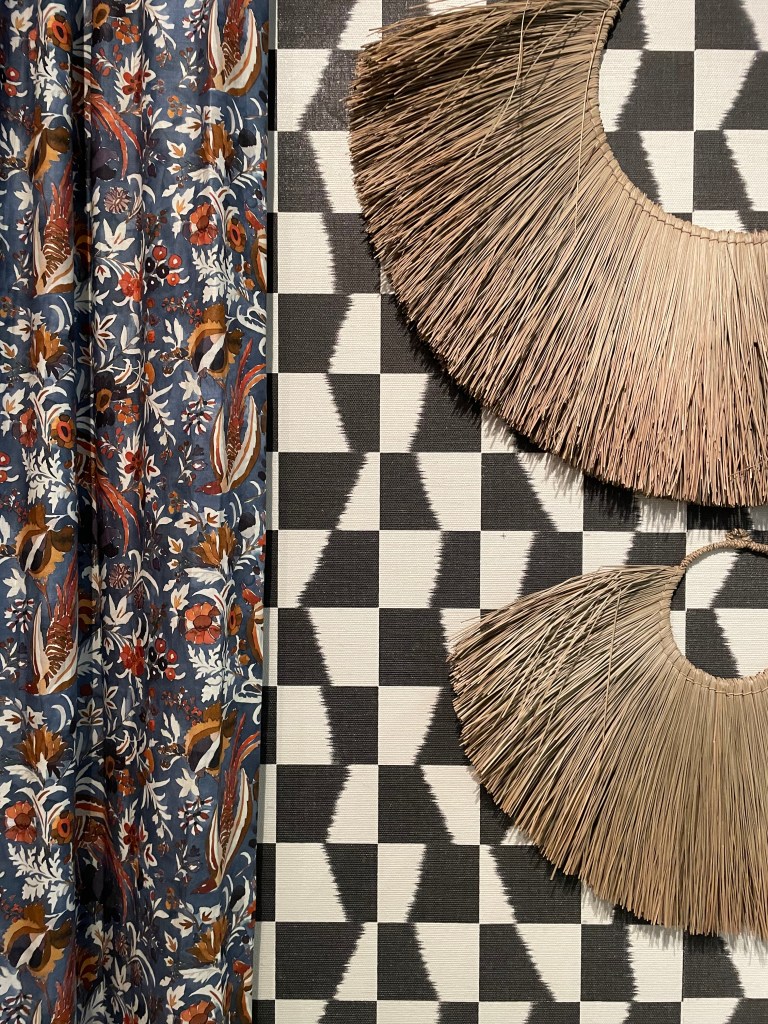
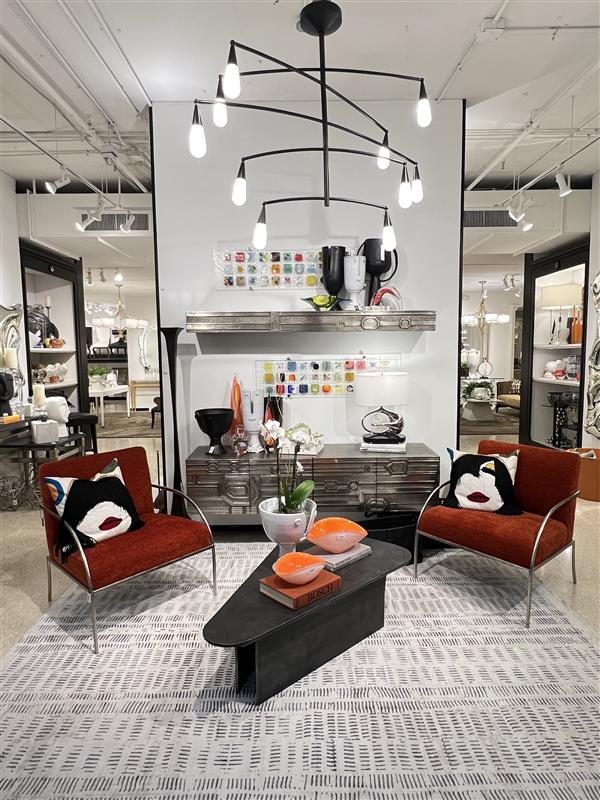
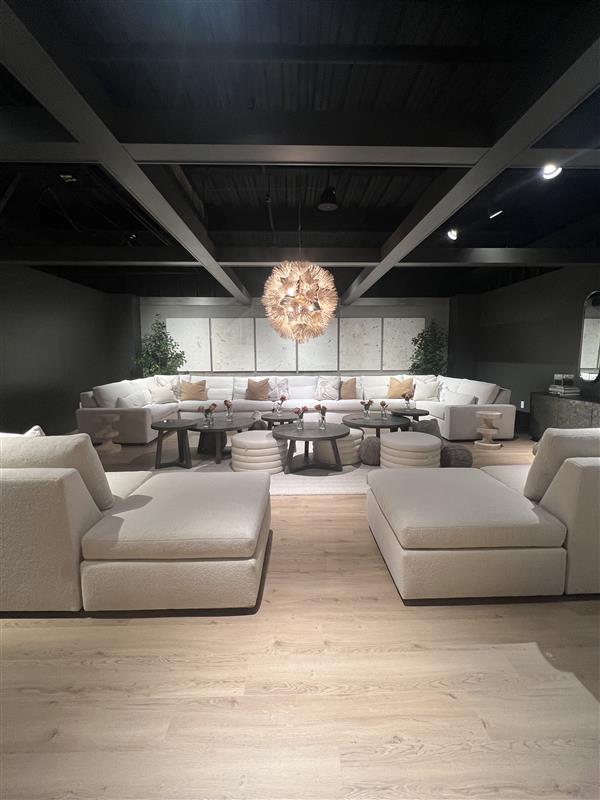
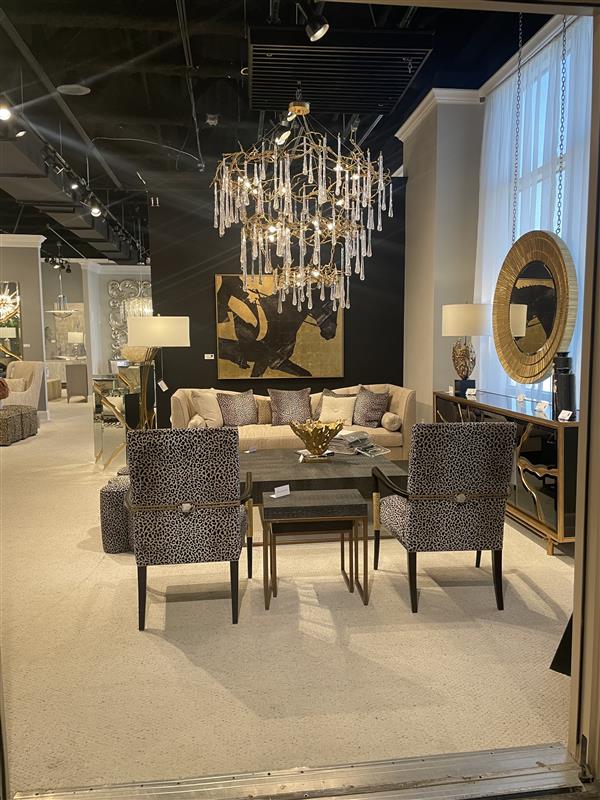
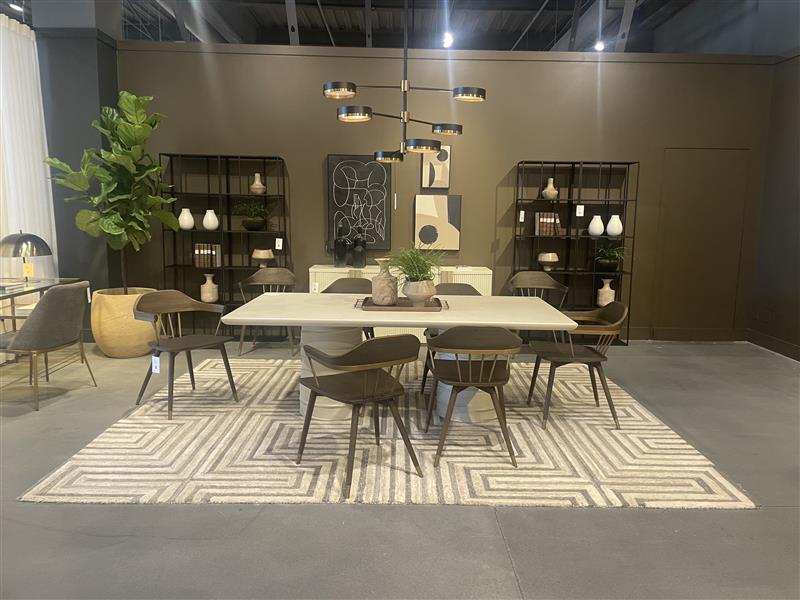
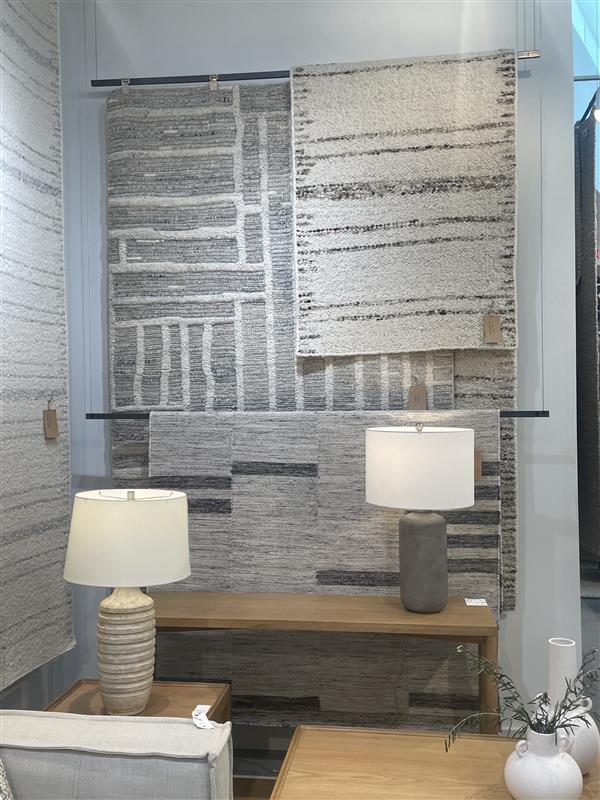
Scroll for more inspiration images taken by the team:





 Interior Design Services
Leave a comment